



Actualités
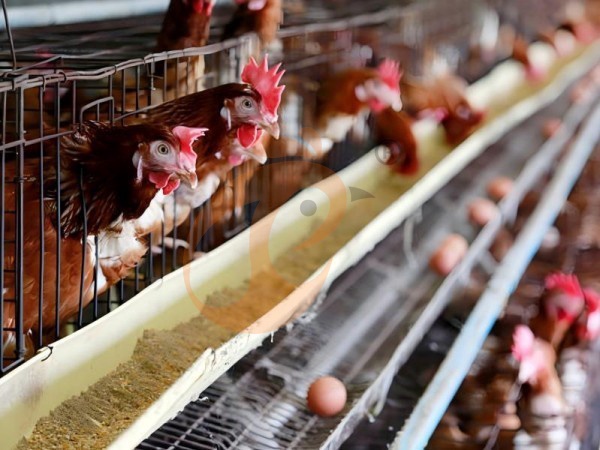
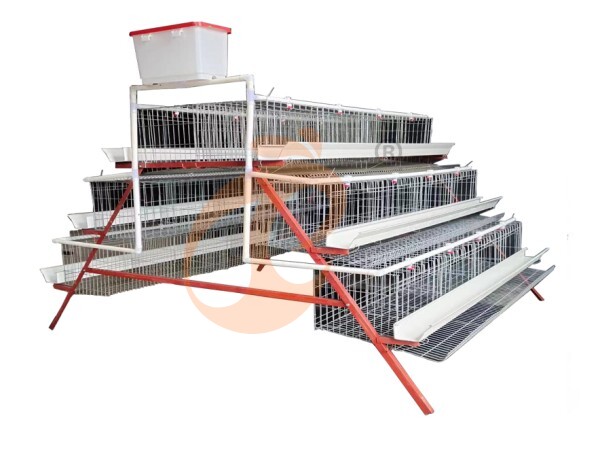
Layer chicken cage systems improve egg collection efficiency and reduce commercial poultry farm operating losses.
Automatic layer cages, poultry farming equipment, and egg collection systems directly influence eggshell protection performance during daily production cycles.
Scientific cage floor engineering, balanced mineral nutrition, controlled ventilation, and stable transportation management reduce egg cracking rates inside modern poultry houses.
Commercial poultry farms operating 50,000 laying hens can lose more than $38,000 annually from preventable shell damage. EU standard reference only.
This article explains cage engineering standards, eggshell strengthening methods, conveyor optimization, stocking density control, environmental management, and transportation protection technologies for modern layer farming operations.
Get professional poultry farm construction guidance, equipment selection solutions, and the latest price lists, whatsApp to +8618830120193, click to learn more:
Understanding The Main Causes Of Egg Breakage
Egg breakage inside commercial poultry farms usually originates from mechanical collision, shell weakness, improper cage engineering, or unstable transportation conditions.
Modern poultry farming equipment minimizes shell damage through controlled rolling distance and automatic egg transfer systems.
Data is for reference only.Swipe horizontally to view full table.
Precise operational control significantly improves egg protection efficiency inside automatic layer cage systems.
Optimize Cage Floor Slope Angle
Cage floor slope angle determines egg rolling speed and collision pressure inside layer chicken cages.
Eggs rolling too rapidly frequently strike front cage wire and create shell fractures during daily production cycles.
Galvanized wire elasticity and cage floor spacing also influence rolling stability.
Data is for reference only.Swipe horizontally to view full table.
Stable egg movement reduces shell stress during high-capacity commercial poultry production.
Improve Eggshell Strength Through Precision Nutrition
Eggshell quality directly determines resistance against external pressure during rolling and transportation processes.
Commercial layer feed formulations require balanced calcium, phosphorus, vitamin D3, and trace mineral ratios.
Layer hens generally require calcium concentrations between 3.8% and 4.2% during peak laying periods.
Large calcium particles above 2 mm improve nighttime mineral absorption efficiency and strengthen shell structure.
Data is for reference only.Swipe horizontally to view full table.
Balanced mineral nutrition reduces micro-crack formation inside modern egg collection systems.
Poultry Science Corner: Why Older Hens Produce More Fragile Eggs
Hen age strongly influences shell thickness and eggshell density.
Young laying hens between 24 and 40 weeks generally produce smaller eggs with thicker shell structures.
Egg size gradually increases after 50 weeks while shell deposition efficiency decreases.
Commercial poultry farms operating older flocks usually require slower conveyor movement and more frequent egg collection intervals.
Scientific production monitoring shows shell thickness commonly decreases from 0.40 mm to 0.32 mm after 70 weeks.
Data is for reference only.Swipe horizontally to view full table.
Automatic egg collection systems reduce shell pressure during late-stage laying cycles.
Maintain Proper Bird Density Inside Layer Cages
Excessive cage density increases shell collision frequency and unstable bird movement inside layer chicken cages.
Commercial poultry engineering standards carefully balance cage dimensions and stocking quantity.
Overcrowded cages increase stepping damage before eggs reach front collection trays.
Modern poultry farming equipment optimizes bird distribution for stable laying performance.
Data is for reference only.Swipe horizontally to view full table.
Optimized cage density improves egg rolling efficiency and production consistency.
Upgrade Automatic Egg Collection Systems
Automatic egg collection systems reduce shell damage caused by manual handling operations.
Modern egg collection belts use stable rolling movement and synchronized conveyor transfer technology.
Soft-start motors and controlled conveyor speed reduce sudden shell impact pressure.
Commercial poultry farms using centralized egg collection lines generally achieve lower breakage percentages than manual collection systems.
Data is for reference only.Swipe horizontally to view full table.
Automatic layer cages improve labor efficiency and shell protection simultaneously.
Maintain Stable Poultry House Environment
Environmental stability directly affects shell quality and laying consistency.
Heat stress reduces feed intake, calcium metabolism efficiency, and shell formation stability.
Tunnel ventilation systems and evaporative cooling equipment improve temperature management inside poultry houses.
Commercial poultry farming equipment commonly maintains airflow speeds between 2 and 3 m/s during summer production periods.
Data is for reference only.Swipe horizontally to view full table.
Stable environmental control improves shell consistency throughout commercial production cycles.
Poultry Science Corner: Heat Stress And Eggshell Quality
Heat stress remains one of the most underestimated causes of egg cracking inside commercial poultry farms.
Environmental temperatures above 30°C force hens to increase respiratory frequency for body heat regulation.
Excessive panting reduces blood carbon dioxide concentration and interferes with calcium carbonate deposition during shell formation.
Scientific research data shows shell thickness can decline by 5%–8% during prolonged heat stress conditions.
Feed intake reductions between 8% and 15% also decrease mineral consumption efficiency.
Commercial farms therefore increase cooling efficiency and ventilation capacity during high-temperature seasons.
Reduce Transportation And Handling Shock
Transportation vibration frequently causes invisible shell fractures after egg collection procedures.
Commercial poultry farms use stable tray stacking systems and controlled loading methods to minimize shell pressure during transportation.
Vehicle vibration intensity significantly influences shell damage during long-distance logistics operations.
Data is for reference only.Swipe horizontally to view full table.
Careful transportation management protects shell integrity before retail distribution.
Daily Cage Maintenance Is Essential
Automatic layer cages require regular inspection and preventive maintenance for long-term production stability.
Damaged wire mesh, unstable egg trays, and loose conveyor alignment increase shell collision frequency during daily operation.
Routine technical inspection schedules help poultry farms reduce unexpected mechanical failures.
Data is for reference only.Swipe horizontally to view full table.
Preventive maintenance extends poultry equipment service life and improves operational reliability.
Economic Benefits Of Lower Egg Breakage
Reducing egg breakage significantly improves poultry farm profitability and marketable egg volume.
A commercial poultry farm operating 50,000 laying hens at 92% production generates approximately 46,000 eggs daily.
Reducing shell damage from 4.5% to 1.8% saves approximately 1,242 eggs every day.
Annual recovery value can exceed $62,000 depending on regional egg market prices.
European union standard reference only.
Data is for reference only.Swipe horizontally to view full table.
Small operational improvements generate substantial long-term economic returns.
Choosing High-Quality Layer Chicken Cage Systems
Modern layer chicken cages combine structural engineering, automated egg collection, feeding technology, and manure removal systems.
Hot-dip galvanized steel structure improves corrosion resistance and production lifespan inside high-humidity poultry environments.
Precision cage floor engineering reduces egg collision pressure during rolling operations.
Automatic poultry farming equipment also improves labor efficiency and flock management consistency.
Data is for reference only.Swipe horizontally to view full table.
High-quality layer cage systems reduce long-term maintenance costs and improve egg protection efficiency.
Frequently Asked Questions
Q1: How often should commercial poultry farms collect eggs?
Commercial poultry farms generally collect eggs every 2 to 3 hours during peak laying periods.
Frequent collection reduces cage accumulation pressure and minimizes shell collision risk inside layer chicken cages.
Automatic egg collection systems improve transportation stability and lower labor intensity during high-capacity production operations.
Q2: What is the best temperature range for strong eggshell production?
Commercial layer hens generally maintain stronger eggshell quality between 18°C and 24°C.
Stable environmental control improves feed intake, calcium metabolism, and shell deposition efficiency.
Tunnel ventilation systems and evaporative cooling equipment are widely used for temperature stabilization inside modern poultry houses.
Q3: Why do older laying hens produce more cracked eggs?
Older hens usually produce larger eggs with thinner shells because shell deposition efficiency gradually declines after long laying cycles.
Commercial poultry farms therefore strengthen mineral nutrition, slow conveyor speed, and increase egg collection frequency during late-stage flock production periods.
Taiyu (HK) Group - One Of China Largest Layer Chicken Cage Manufacturer
Advanced layer chicken cage systems support efficient automatic egg collection operations worldwide.
Global factory direct poultry equipment supply reduces commercial poultry project investment costs.
Professional poultry cage engineering supports high-capacity commercial layer farming production requirements.
Complete Turn-key poultry farm projects include ventilation, feeding, manure, and drinking systems.
Long-service-life galvanized steel poultry farming equipment supports modern intensive poultry production.
Contact Us To Received Your Customized Poultry Farm Plan
Headquarters And Branchs
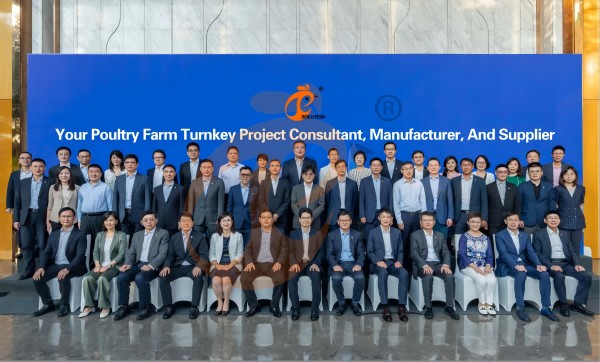
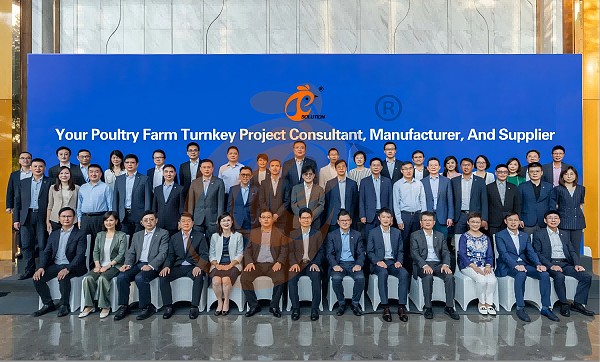
Hong Kong Headquarter Management Team
Hong Kong Headquarter Taiyu Industrial Group CO., LTD
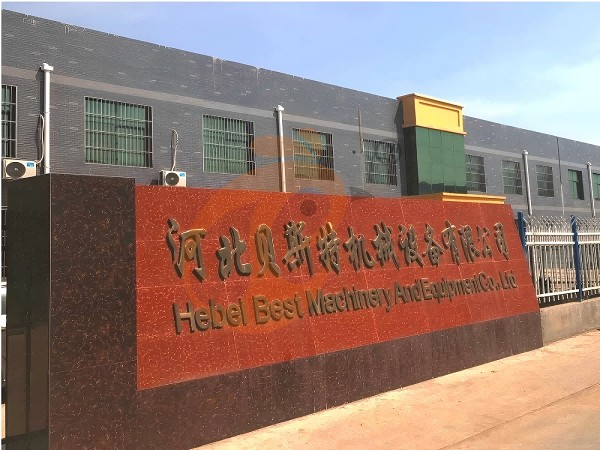
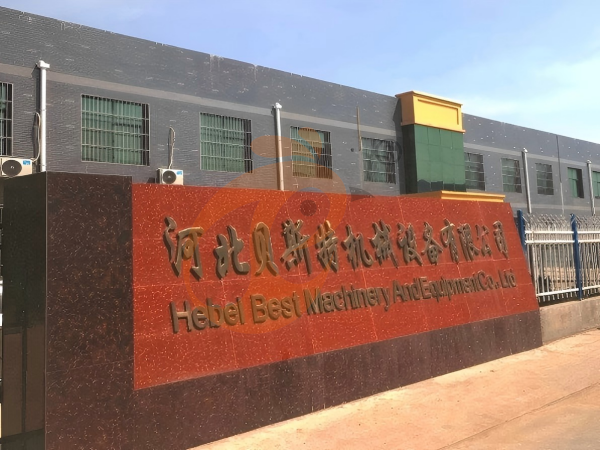
China Hebei Best Machinery And Equipment CO., LTD
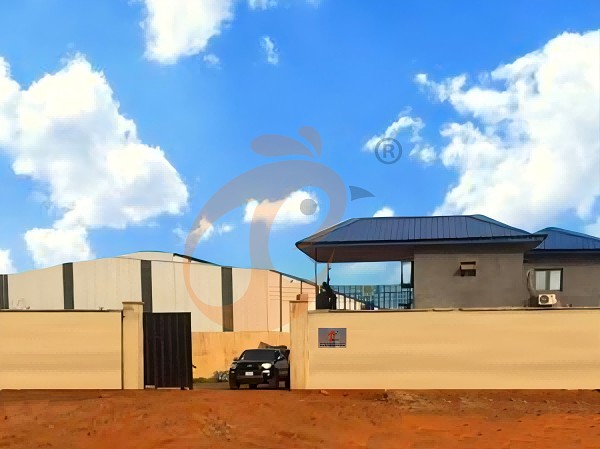
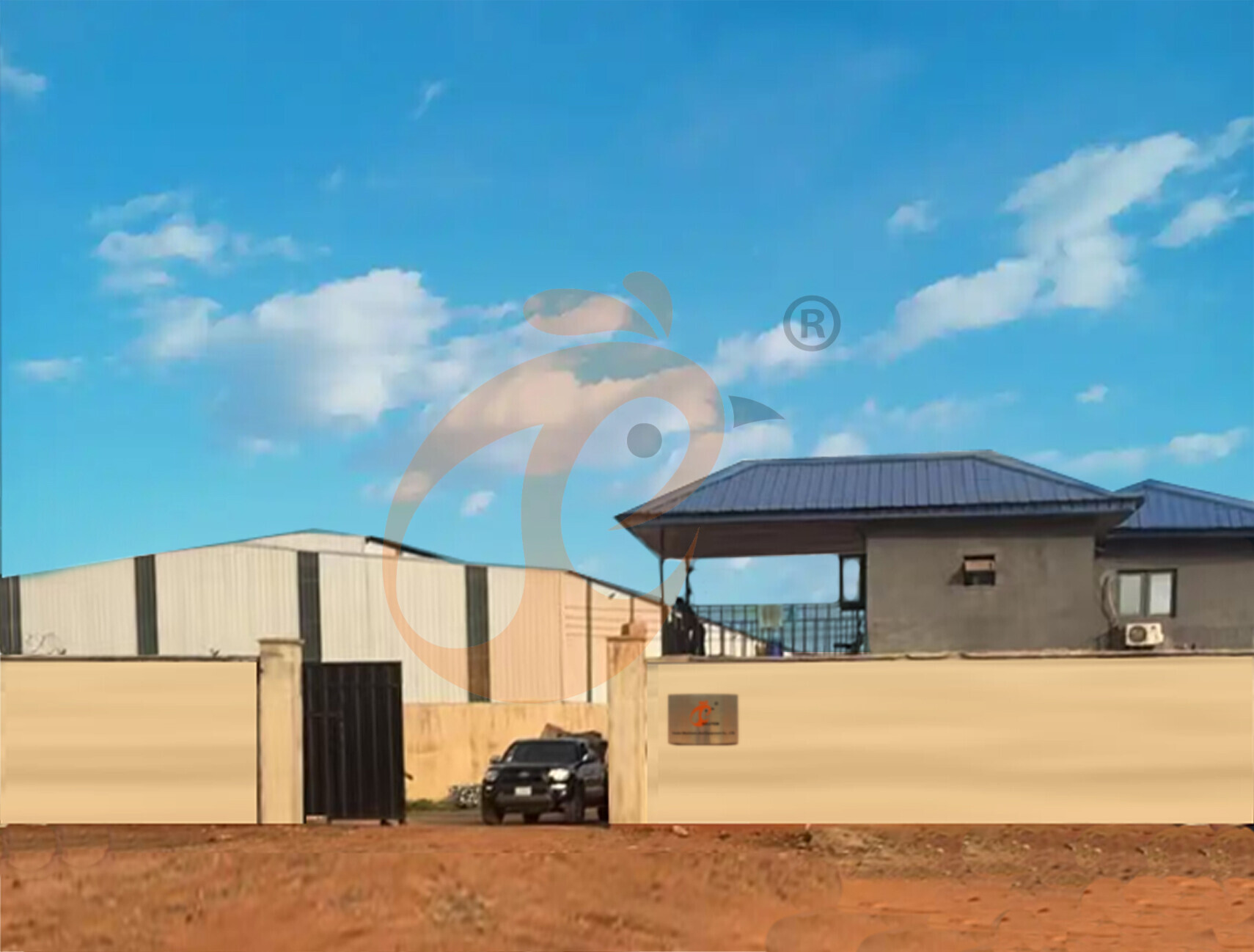
Nigeria Vanke Machinery And Equipment CO., LTD
Tanzania Best Machinery And Equipment CO., LTD
Ethiopia Best Hebei Machinery Manufacturing PLC
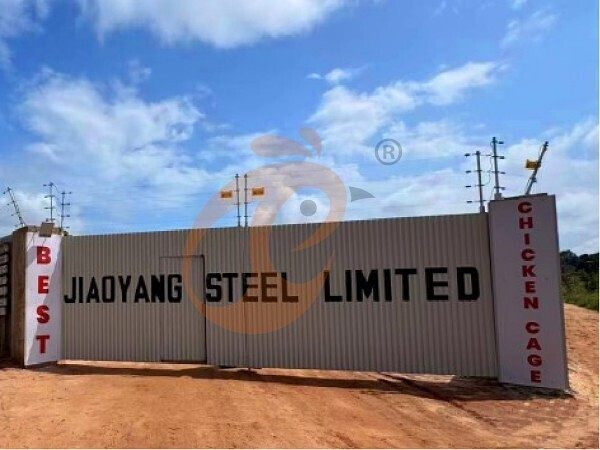
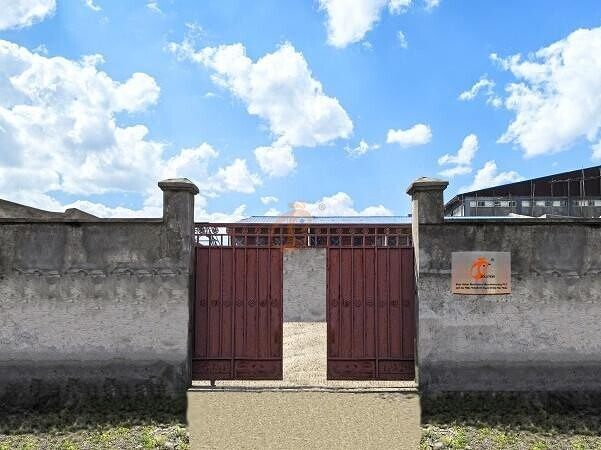
Reception /24 WhatsApp NO. : +8618830120193
FAQ
Recommandations de produits
 Machine à granulés pour différents aliments | 5 applications polyvalentes1. Les presses à granulés pour aliments permettent une production polyvalente dans 5 catégories d’aliments
2. Le choix approprié de la filière permet d’obtenir les dimensions de granulés spécifiées
3. Les équipements de préparation intégrés améliorent la régularité de la manutention des matières premières
4. Le refroidissement et le tamisage contribuent au contrôle de la qualité des granulés finis
5. Réception /WhatsApp NO. : +8618830120193Lire plus Rentabilité des équipements avicoles industriels | 5 méthodes éprouvées pour améliorer les bénéfices1. Les équipements avicoles professionnels favorisent une alimentation et un abreuvement plus réguliers dans les élevages modernes
2. Les systèmes automatiques d’alimentation avicole facilitent la gestion de la distribution des aliments grâce à un convoyage et une répartition coordonnés
3. Les ventilateurs avicoles contribuent à maîtriser la circulation de l’air malgré les variations saisonnières
4. Une planification intégrée des équipements relie 3 systèmes essentiels pour une gestion pratique de l’exploitation
5. Accueil /WhatsApp NO. : +8618830120193Lire plus Système d’élevage au sol pour poules pondeuses : 6 facteurs clés de coût1. Les équipements d’élevage au sol coordonnent l’alimentation, l’abreuvement, la nidification, la ventilation et la collecte des œufs
2. Les systèmes automatiques favorisent des processus réguliers dans les environnements de production avicole commerciale
3. Des aménagements conçus pour améliorer l’accès aux opérations d’inspection, de nettoyage et d’entretien courant
4. Les spécifications techniques guident le choix des équipements et l’intégration au projet
5. Réception /WhatsApp NO. : +8618830120193Lire plus Cage en batterie de type A avec tapis à fumier ou racleur : 5 conseils pratiques pour faire le bon choix1. Les cages en batterie de type A permettent d’organiser l’hébergement commercial des pondeuses
2. Les tapis à fumier acheminent efficacement les déjections vers les points de collecte prévus
3. Les racleurs retirent le fumier accumulé dans les canaux de collecte compatibles
4. Des inspections régulières contribuent au maintien des performances et de la fiabilité opérationnelle des équipements
5. Réception /WhatsApp NO. : +8618830120193Lire plus Comment personnaliser des cages en batterie de type H pour votre élevage de volailles ?1. Les cages de type H intègrent l’alimentation, l’abreuvement et l’évacuation du fumier
2. Les dimensions des cages déterminent l’agencement des compartiments et la capacité d’accueil
3. Les besoins en ventilation dépendent de la densité d’élevage et du climat
4. La collecte automatisée des œufs relie les tapis aux équipements de convoyage
5. Réception / numéro WhatsApp : +8618830120193Lire plus Broyeur d’aliments pour animaux ou presse à granulés : lequel améliore la qualité des aliments ?1. Le broyage établit la granulométrie des ingrédients avant le mélange
2. Le mélange répartit les nutriments formulés dans chaque lot
3. Le conditionnement prépare les matières premières pour la formation des granulés
4. Le refroidissement stabilise les granulés avant leur stockage et leur conditionnement
5. Réception /WhatsApp NO. : +8618830120193Lire plus Comment choisir le type de filière d’une presse à granulés | 6 conseils pratiques1. Le diamètre des trous de la filière détermine la taille nominale des granulés et influence l’écoulement des matières
2. Le taux de compression dépend de la longueur utile et du diamètre des trous
3. L’alignement des rouleaux et le conditionnement de l’aliment influencent la stabilité de la production
4. Les inspections régulières permettent de détecter les obstructions, l’usure et la baisse de rendement
5. Contact /WhatsApp n° : +8618830120193Lire plus Comment choisir du matériel avicole abordable | 6 conseils pratiques1. Les dimensions de l’exploitation déterminent la disposition et la capacité des équipements adaptés
2. La taille du cheptel influe sur les besoins en systèmes d’alimentation et d’abreuvement
3. Les calculs de ventilation tiennent compte du débit d’air et des conditions de température
4. Un entretien régulier contribue à préserver les performances et la fiabilité des équipements
5. Réception /WhatsApp NO. : +8618830120193Lire plus Élevage de poules pondeuses au sol | 5 conseils essentiels pour la production d’œufs1. Les systèmes d’élevage au sol associent la circulation des volailles à une organisation structurée des espaces d’élevage
2. Les équipements d’alimentation automatiques distribuent les aliments le long de lignes dédiées
3. Les systèmes d’abreuvement assurent un accès contrôlé à de l’eau propre
4. Les convoyeurs à œufs acheminent les œufs collectés vers les postes d’inspection
5. Accueil /WhatsApp NO. : +8618830120193Lire plus Coût d’un élevage de poules pondeuses en plein air | 5 facteurs budgétaires clés1. Les systèmes d’élevage de poules pondeuses en plein air nécessitent des équipements d’alimentation et d’abreuvement coordonnés
2. La capacité de ventilation dépend du climat et des dimensions du bâtiment
3. Les convoyeurs à œufs doivent être adaptés au débit de production prévu
4. Les spécifications des équipements doivent être vérifiées par le fabricant avant l’installation
5. Contact / WhatsApp n° : +8618830120193Lire plus Coût d’un élevage de poules pondeuses sur litière profonde | 5 facteurs budgétaires1. Les dimensions du bâtiment influencent le positionnement des mangeoires et la conception de la ventilation
2. La distribution des aliments dépend de la capacité des lignes et de l’accès des oiseaux
3. La pression de l’eau potable nécessite des contrôles réguliers en cours d’exploitation
4. Les performances de ventilation dépendent du débit d’air et de la pression statique
5. Contact / WhatsApp n° : +8618830120193Lire plus Vis sans fin en métal ou en plastique dans les usines d’aliments pour animaux | Laquelle est la plus durable ?1. Les performances d’une vis sans fin métallique dépendent de l’alliage sélectionné et de la charge de fonctionnement
2. L’adéquation d’une vis sans fin en plastique dépend de la qualité du polymère et des limites de température
3. La capacité du convoyeur varie selon les propriétés de l’aliment et la configuration de l’installation
4. Les systèmes d’alimentation automatiques nécessitent des entraînements et des composants compatibles
5. Réception / WhatsApp n° : +8618830120193Lire plus 5 conseils essentiels pour la sécurité des opérateurs de machines à granulés1. Inspectez les carters de protection et les connexions électriques avant d'utiliser une presse à granulés
2. Suivez les procédures de consignation approuvées avant tout nettoyage ou entretien
3. Adaptez la formulation de l'aliment aux spécifications de la presse à granulés sélectionnée
4. Surveillez l'état de l'équipement et consignez toute anomalie de fonctionnement
5. Accueil / WhatsApp : +8618830120193Lire plus Fournisseur de cages pour poulets de chair | 6 critères d’évaluation pratiques1. Les dimensions des cages déterminent l’agencement des équipements et la capacité d’hébergement utilisable
2. Les matériaux des structures et les traitements de surface influent sur la résistance à la corrosion et les besoins d’entretien
3. Les systèmes d’alimentation distribuent les aliments dans les sections de cage prévues
4. Les lignes d’abreuvement nécessitent une régulation de pression adaptée et des inspections régulières
5. Accueil /WhatsApp NO. : +8618830120193Lire plus Fournisseur de cages en batterie pour poules pondeuses | 6 critères d’évaluation pratiques1. Les configurations de cages en batterie permettent de planifier de manière coordonnée les équipements avicoles dans les bâtiments d’élevage commerciaux
2. Les dimensions des cages et la configuration des niveaux doivent être vérifiées par rapport aux plans d’ingénierie approuvés
3. Les systèmes d’alimentation et d’abreuvement doivent être compatibles au niveau des raccordements et des spécifications de fonctionnement
4. Le choix des convoyeurs dépend des charges des équipements et de la géométrie de l’installation
5. Accueil /WhatsApp NO. : +8618830120193Lire plus Comment moderniser les élevages traditionnels de poules pondeuses avec des systèmes de cages en batterie | 5 étapes1. Les systèmes d’alimentation automatique assurent une distribution régulière des aliments dans les bâtiments avicoles.
2. Les convoyeurs de collecte des œufs acheminent les œufs vers des points de collecte centralisés.
3. Les systèmes d’évacuation du fumier facilitent la gestion régulière des déjections dans les bâtiments avicoles.
4. Les cages de ponte de type H offrent une configuration structurée pour la production commerciale d’œufs.
5. Réception /WhatsApp NO. : +8618830120193Lire plus Comment moderniser les élevages traditionnels avec des systèmes de cages pour poulets de chair | 5 étapes1. Modernisez les exploitations traditionnelles grâce à des équipements de cages coordonnés
2. Améliorez les opérations quotidiennes grâce à une alimentation automatique fiable
3. Assurez un accès constant à l’eau grâce aux systèmes d’abreuvement à pipettes
4. Soutenez le contrôle de l’environnement grâce à une ventilation correctement dimensionnée
5. Accueil / WhatsApp NO. : +8618830120193Lire plus Comment gérer les poules pondeuses en plein air | 6 conseils pratiques1. Les systèmes d’alimentation automatisés permettent de contrôler la distribution des aliments et de surveiller les stocks
2. Les systèmes d’abreuvement nécessitent un assainissement régulier et des contrôles hydrauliques
3. Les équipements de ventilation nécessitent des capteurs étalonnés et une maintenance préventive
4. La collecte des œufs exige une manipulation soigneuse et une traçabilité
5. Accueil /WhatsApp NO. : +8618830120193Lire plus Comment gérer les poules pondeuses en système de litière profonde | 6 conseils pratiques1. Vérifier l’état de la litière lors des inspections quotidiennes du poulailler
2. Surveiller la consommation d’eau et examiner toute variation inattendue
3. Entretenir le matériel de ventilation conformément au calendrier du fabricant
4. Adapter la capacité de collecte des œufs à la production quotidienne
5. Réception /WhatsApp NO. : +8618830120193Lire plus Système de cages avicoles de type A manuel ou automatique : lequel permet de réduire le plus les coûts de main-d’œuvre ?1. Les systèmes de cages avicoles de type A associent des structures en acier galvanisé à des équipements coordonnés d’alimentation et d’abreuvement
2. Les tapis automatiques de collecte des œufs réduisent les manipulations manuelles sur plusieurs rangées de cages
3. Les tapis d’évacuation du fumier assurent le transport programmé des déjections et contribuent à maintenir des zones de production plus propres
4. Les systèmes de ventilation régulent le débit d’air en fonction des conditions du bâtiment et des besoins des oiseaux
5. Accueil /WhatsApp NO. : +8618830120193Lire plus 5 facteurs essentiels à prendre en compte lors de l’achat de cages avicoles de type H pour l’exportation1. Les dimensions de la cage à poulets de type H doivent correspondre aux plans d’installation approuvés
2. Le système d’alimentation automatique nécessite des entraînements et des raccordements électriques compatibles
3. L’alignement du convoyeur à fumier dépend de la disposition des cages et de la position de déchargement
4. La capacité de collecte des œufs doit être confirmée en fonction du débit de production prévu
5. Réception / WhatsApp N° : +8618830120193Lire plus Comment gérer les poules pondeuses dans un système d’élevage au sol | 6 étapes pratiques1. Les systèmes d’élevage au sol favorisent une gestion organisée des troupeaux en bâtiment
2. Une ventilation adéquate contribue à maintenir une température et une humidité stables
3. Les systèmes d’alimentation automatiques distribuent régulièrement l’aliment aux différents groupes de volailles
4. Des inspections quotidiennes permettent de repérer les problèmes d’équipement avant que les performances ne diminuent
5. Accueil /WhatsApp NO. : +8618830120193Lire plus Système de cages pour poules de type A pour petits ou grands élevages avicoles ? 4 choix judicieux1. Les cages à poules de type A favorisent une gestion efficace des poules pondeuses
2. Une ventilation adaptée contribue à maintenir des conditions saines dans le poulailler
3. Les systèmes d’alimentation automatisés améliorent la distribution et la régularité de l’alimentation
4. L’évacuation régulière du fumier contribue à contrôler l’ammoniac dans les poulaillers
5. Réception /WhatsApp NO. : +8618830120193Lire plus Comment choisir un fournisseur fiable de cages avicoles de type H pour les élevages ?1. La capacité des cages à poulets de type H dépend des dimensions du bâtiment approuvées et de la densité d’élevage
2. Les équipements automatiques d’alimentation et d’abreuvement nécessitent une implantation compatible et des calculs de capacité
3. Les systèmes d’évacuation du fumier et de collecte des œufs nécessitent une planification coordonnée de l’installation
4. La conception de la ventilation doit tenir compte de la taille du cheptel, du climat et de la charge thermique
5. Contact / WhatsApp n° : +8618830120193Lire plus Mélangeurs d’aliments à haute vitesse ou à basse vitesse | Lequel mélange le mieux ?1. Les mélangeurs à pales à grande vitesse améliorent la circulation des ingrédients grâce à un mouvement mécanique intensif
2. Les mélangeurs à ruban à faible vitesse permettent d’utiliser des chambres plus grandes et de réduire la consommation d’énergie
3. L’homogénéité du mélange dépend de la formulation, de la taille du lot et des conditions de fonctionnement
4. La maintenance préventive contribue à la fiabilité des équipements et à la constance de la qualité de production
5. Réception /WhatsApp NO. : +8618830120193Lire plus Dépannage de machine à granulés | 6 solutions rapides1. Le diamètre des granulés varie selon l’âge des volailles et les exigences de formulation
2. L’usure de la filière peut réduire le rendement et la régularité des granulés
3. Une alimentation stable contribue à maintenir des cadences de production uniformes pendant le fonctionnement
4. Le refroidissement régule l’humidité et améliore la stabilité des granulés finis au stockage
5. Réception / WhatsApp n° : +8618830120193Lire plus Système d’élevage au sol pour poules pondeuses | Coût, production d’œufs et conseils de gestion1. Les systèmes d’élevage au sol nécessitent un suivi quotidien régulier du troupeau
2. Les relevés d’alimentation et d’abreuvement révèlent les variations de consommation
3. La gestion des nids contribue à réduire les œufs pondus au sol pendant la période de production
4. Les réglages de ventilation doivent être adaptés à l’âge du troupeau et au climat
5. Contact /WhatsApp N° : +8618830120193Lire plus Introduction au système d’élevage en plein air des poules pondeuses et analyse des coûts de production des œufs1. L’élevage de poules pondeuses en plein air favorise une production naturelle d’œufs
2. Les abris en acier galvanisé protègent les volailles des intempéries
3. L’accès aux pâturages permet aux poules de chercher naturellement leur nourriture chaque jour
4. Les distributeurs automatiques fournissent chaque jour des rations équilibrées et précises
5. Accueil /WhatsApp NO. : +8618830120193Lire plus Comment réduire les coûts d'exploitation avec des systèmes de cages pour poulets de chair | 6 conseils1. Les structures de cages à plusieurs niveaux organisent l’hébergement des poulets de chair et l’emplacement des équipements
2. Les systèmes d’alimentation automatiques acheminent les aliments depuis le stockage en vrac jusqu’aux lignes d’alimentation
3. Les systèmes d’abreuvement à pipettes distribuent l’eau par des conduites régulées
4. Les tapis à fumier acheminent les déjections collectées vers les points d’évacuation prévus
5. Réception / N° WhatsApp : +8618830120193Lire plus Système sur litière profonde pour poules pondeuses | Production d’œufs et analyse des coûts1. La litière au sol favorise les comportements naturels de grattage et de bain de poussière
2. La conception de la ventilation contribue à gérer la chaleur, l’humidité et les contaminants en suspension dans l’air
3. Les équipements d’alimentation distribuent les rations formulées dans les zones d’alimentation désignées
4. Les pipettes d’abreuvement assurent un accès contrôlé à de l’eau potable fraîche
5. Accueil / WhatsApp n° : +8618830120193Lire plus Comment réduire les coûts d’exploitation des systèmes de cages en batterie pour poules pondeuses | 6 conseils1. Assemblage structurelle : les cadres de cages en acier galvanisé supportent les installations avicoles intégrées et la pose des équipements
2. Distribution de l’alimentation : des convoyeurs automatiques acheminent les aliments des silos de stockage vers les auges des rangées de cages
3. Alimentation en eau : les pipettes, les régulateurs de pression et les filtres assurent une distribution contrôlée de l’eau
4. Transport des œufs : des convoyeurs longitudinaux et transversaux acheminent les œufs vers des installations centralisées de collecte
5. Accueil /N° WhatsApp : +8618830120193Lire plus Usines d’aliments continues ou par lots | Laquelle convient aux élevages de poulets ?1. La production d’aliments suit généralement les étapes de réception, broyage, dosage, mélange, granulation, refroidissement, tamisage et stockage
2. Les caractéristiques des ingrédients influencent les réglages de broyage, les exigences de mélange, les paramètres de conditionnement et la formation des granulés
3. Les systèmes continus privilégient un flux stable des matières grâce à des équipements de traitement coordonnés
4. Les systèmes par lots organisent la production autour de cycles définis de pesage, de mélange et de changement de formule
5. Réception /WhatsApp NO. : +8618830120193Lire plus Comment augmenter le rendement d’une presse à granulés | 5 méthodes éprouvées1. Le diamètre des granulés influe sur les exigences de compression et la manutention des aliments finis.
2. Le conditionnement favorise une répartition homogène de l’humidité avant la compression et améliore la régularité du processus.
3. Le refroidissement stabilise les granulés finis avant le tamisage et le conditionnement.
4. Le tamisage sépare les fines et préserve la régularité de la ligne de conditionnement.
5. Réception / Numéro WhatsApp : +8618830120193Lire plus Comment planifier le budget d’équipement d’un élevage de volailles | 6 facteurs clés1. La capacité de l’exploitation détermine les quantités et la configuration des équipements
2. Les spécifications techniques permettent de comparer avec précision les devis des fournisseurs
3. Les coûts d’installation doivent être inclus avant l’approbation du projet
4. La planification de la maintenance contribue à maîtriser les dépenses d’exploitation à long terme
5. Accueil / WhatsApp n° : +8618830120193Lire plus Système de litière profonde pour poulets de chair | 7 contrôles quotidiens1. La gestion de la litière accumulée repose sur une ventilation et un équipement d’abreuvement coordonnés
2. Les inspections quotidiennes relient les conditions mesurables du bâtiment au fonctionnement des équipements
3. L’alimentation, l’eau, le flux d’air et l’automatisation doivent suivre des procédures synchronisées
4. Les spécifications des équipements doivent correspondre aux dimensions du bâtiment et à la capacité du lot
5. Réception /WhatsApp NO. : +8618830120193Lire plus 5 méthodes pratiques pour réduire le bruit des nourrisseurs Pralson1. Les systèmes d’alimentation Pralson associent l’acheminement des aliments aux exigences d’alignement mécanique
2. Les bâtiments avicoles nécessitent une coordination des dispositifs de suspension et d’entraînement
3. Le contrôle du bruit doit s’appuyer sur des points de contrôle mécaniques mesurables
4. Les performances d’alimentation dépendent d’une configuration compatible des composants
5. Contact /WhatsApp n° : +8618830120193Lire plus Cage en batterie de type A pour pondeuses ou poulets de chair : quel système est le plus adapté ?1. Une cage en batterie de type A nécessite une planification coordonnée de la structure et des réseaux
2. L’agencement des bâtiments pour pondeuses détermine le positionnement des équipements et l’accès pour l’entretien
3. L’alimentation automatique réduit les tâches répétitives de distribution manuelle des aliments
4. La gestion du fumier nécessite des interfaces adaptées pour convoyeur ou racleur
5. Contact /WhatsApp NO. : +8618830120193Lire plus Cages en batterie pour poulets de type H importées ou locales : lesquelles offrent une meilleure qualité ?1. Les plans d’une batterie de cages pour poules de type H nécessitent des dimensions de bâtiment coordonnées
2. Les structures à plusieurs niveaux permettent une production organisée de poules pondeuses à l’échelle commerciale
3. Les systèmes automatiques relient l’alimentation, l’abreuvement, l’évacuation du fumier et la collecte des œufs
4. Les plans d’ingénierie définissent les interfaces avant le début de la fabrication des équipements
5. Réception / WhatsApp N° : +8618830120193Lire plus Abreuvoir à pipette avec ou sans coupelle | Lequel réduit les éclaboussures ?1. Les systèmes d’abreuvement à pipettes assurent un accès régulier à l’eau pendant les différentes phases de production avicole
2. La conception des coupelles contribue à gérer efficacement l’humidité autour des points d’abreuvement
3. L’agencement de l’exploitation influence le choix des équipements et les méthodes d’installation
4. Les différentes catégories de volailles nécessitent des configurations adaptées du système d’abreuvement
5. Réception /WhatsApp NO. : +8618830120193Lire plus Cage pour poulets de chair à vendre | 5 facteurs clés à vérifier par les acheteurs1. Les plans d’implantation des cages nécessitent des dimensions précises du bâtiment avant le début de la configuration des équipements
2. Les circuits d’alimentation doivent être adaptés à la longueur des rangées et aux allées de service
3. Les systèmes d’abreuvement doivent être équipés d’une filtration et d’un contrôle de la pression avant leur mise en service
4. Les convoyeurs à fumier doivent comporter des points d’inspection accessibles pour l’entretien courant
5. Réception / WhatsApp Nº : +8618830120193Lire plus




Recherche
Produit populaire
 Le siège social de HK propose des solutions d'élevage de volaille conformes aux normes de l'UE et fabrique des équipements d'élevage de volaille1. Communication continue avec l'UE et les États-Unis
2. Filiales et usines en Chine, Nigeria, Éthiopie et Tanzanie
3. La qualité des produits est adaptée aux fermes avicoles locales
4. Stock de cages avicoles et d'équipements de ferme avicole en vente
5. Réception en ligne 24h/24 via Whatsapp NO. : +8618830120193, contactez-nous pour obtenir toutes les informationsLire plus La filiale chinoise propose un plan d'entreprise pour les fermes avicoles et fabrique des équipements pour fermes avicoles1. Adresse : Appartement/Bureau 2416, 24e étage, Bâtiment Runxing, Rue Youyi Nan, Ville de Shijiazhuang, Province du Hebei, Chine
2. Usine d'équipements de ferme avicole et cages pour volailles en stock à vendre
3. Personnalisé pour les fermes avicoles locales
4. Qualité et conception basées sur les normes européennes
5. Réception en ligne 24h/24 via Whatsapp NO. : +8618830120193Lire plus La filiale nigériane propose un plan d'entreprise pour les fermes avicoles, fabrique des équipements pour les fermes avicoles1. Adresse : Après le bureau Sinoma, à 200 mètres près de la station-service Danco, Lagos/Ibadan Expressway, État de Lagos, Nigeria
2. Usine de cages de volaille et d'équipements de ferme avicole et stock à vendre
3. Personnalisé pour les fermes avicoles nigérianes
4. La qualité et la conception sont basées sur les normes européennes
5. Réception en ligne 24h/24 Whatsapp NO. : +8618830120193Lire plus
Contactez-nous
Téléphone(numéro whatsapp ):
E-mail:
Bureau 1 (Hong Kong):
Flat/RM A, 15/F, ManlyCommercial Building 15 Soy Street, Mong Kok
Bureau 2 (Chine continentale):
Flat/RM 2416, 24/F, Runxing Building, Youyi Nan Street, Shijiazhuang City, Hebei Province